Starting solids
When to Start Solids: Signs Your Baby Is Ready
The three readiness signs that matter more than the calendar — and what week one of solids actually looks like.
The advice from the NHS, AAP and WHO converges on the same headline: most babies are ready to start solids at around 6 months — but the calendar is only half the story. Developmental readiness signs matter more than hitting a date.
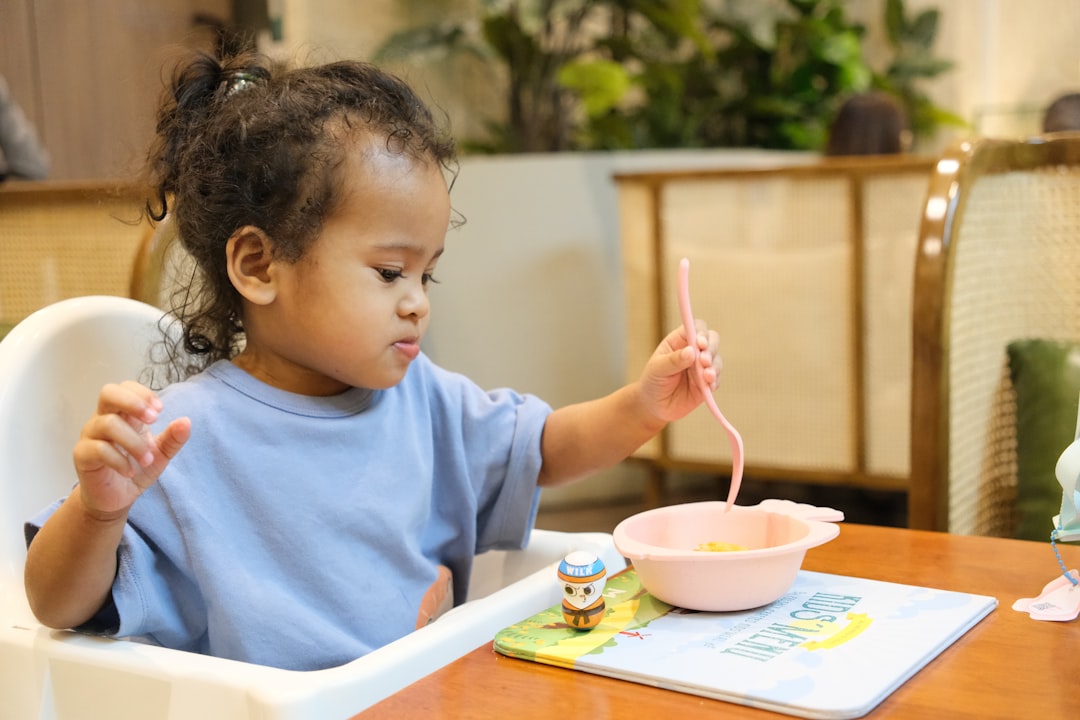
The three readiness signs (all together)
- Sitting with minimal support, holding their head steady.
- Hand–eye–mouth coordination: they can look at food, pick it up, and bring it to their mouth.
- The tongue-thrust reflex has faded — they can swallow food rather than automatically pushing it back out.
Chewing fists, waking at night, or watching you eat are often mistaken for readiness — they're normal baby behaviour at any age.
Why not earlier, why not later
Before ~6 months, a baby's gut and swallowing skills are still maturing, and milk covers all their nutritional needs. Much later than 6 months, iron stores from birth start running low and the window for textures and allergen introduction narrows. Around six months, when the signs align, is the sweet spot.
What the first week actually looks like
- One "meal" a day, at a relaxed time when baby isn't tired or ravenous.
- Milk remains the main food source — solids are for practice, exploration and iron.
- Expect faces, spitting, and tiny amounts eaten. That's success, not failure.
- Offer iron-rich foods early: lentils, meat, eggs, fortified porridge.
How BabyEats helps
Tell BabyEats your baby's age and it serves only stage-appropriate ideas — first foods at 6 months, textured meals at 9, family food at 12. The built-in tracker logs every food tried, so you can see variety building week by week instead of wondering whether you're "doing enough".