Feeding styles
Purées vs Baby-Led Weaning: Which Is Right for You?
Both work. Here's what the research actually shows, and the combination approach most families land on.
The purées-versus-BLW debate generates more anxiety than almost any other weaning question — and the evidence-based answer is refreshingly boring: both approaches work, and most families end up mixing them.
The case for baby-led weaning
- Babies regulate their own intake, which may support responsive eating habits
- Early texture exposure; the whole family eats (versions of) the same meal
- No separate purée-making production line
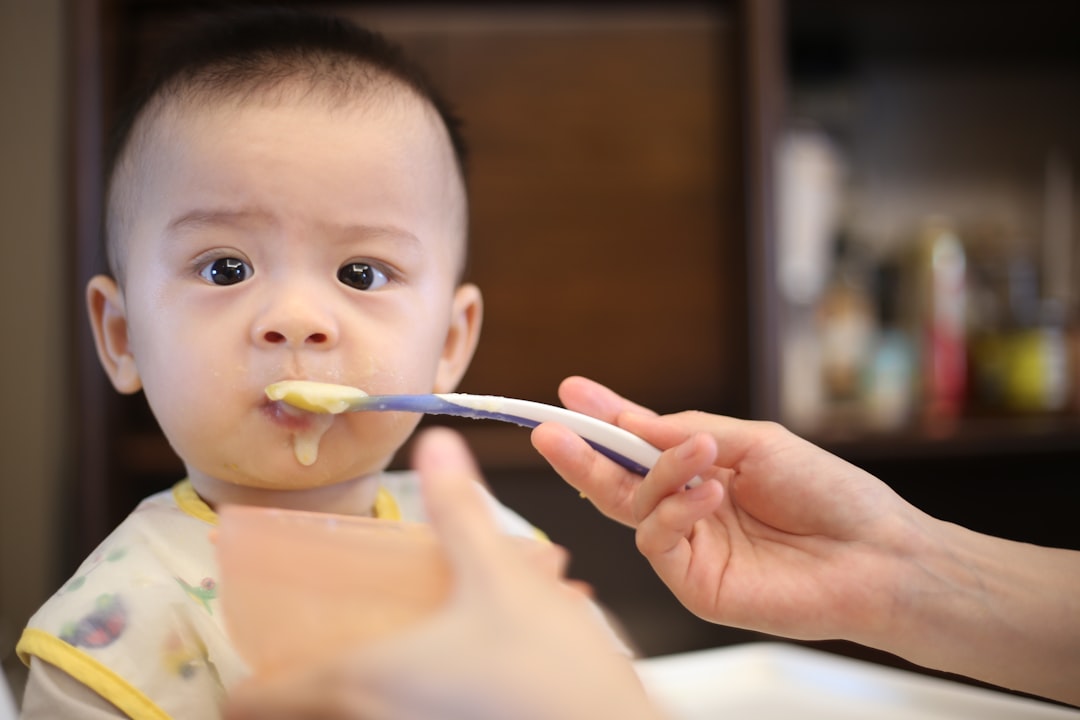
The case for purées and spoon-feeding
- Easier to guarantee iron intake in the early weeks (fortified porridge, meat purées)
- Less food waste and mess; more visibility on how much went in
- Gentler on parental choking anxiety while confidence builds
What the research actually says
Studies comparing the approaches (including the BLISS randomised trial) found no meaningful difference in choking risk when BLW is done with appropriate foods, and broadly similar growth outcomes. Iron is the one genuine watch-item for strict BLW — which is why iron-rich finger foods matter so much.
The combination approach most families land on
Spoon-fed iron-rich porridge or dal at breakfast; finger foods at lunch; a bit of both at dinner. Purées offered on a preloaded spoon that baby steers themselves gets you most of BLW's self-feeding benefits with purée-level convenience. There is no purity test — responsive, relaxed feeding beats ideology.
Feed your way with BabyEats
BabyEats is deliberately style-agnostic: every meal idea comes with purée, mashed and finger-food versions by stage, so you can serve the same salmon-and-sweet-potato dinner three ways as your baby grows — or all three ways in the same week.