Allergens
Introducing Allergens to Your Baby: Peanut, Egg & More
Early and regular beats late and cautious: the step-by-step, one-at-a-time method for the priority allergens.
The guidance on food allergens flipped a decade ago: instead of delaying, current NHS, AAP and allergy-society advice is to introduce the priority allergens early (from around 6 months) and keep them in the diet regularly. Landmark studies like LEAP showed early peanut introduction dramatically reduced peanut allergy in high-risk infants.
The priority allergens
Egg, peanut, tree nuts, cow's milk (in food), fish, shellfish, wheat, soya and sesame account for the vast majority of food allergies. Egg and peanut are the two most worth introducing deliberately and early.
How to introduce each allergen safely
- One new allergen at a time, with 2–3 days before the next, so any reaction has a clear culprit.
- Early in the day, at home — not right before a nap or at a restaurant — so you can watch for a reaction.
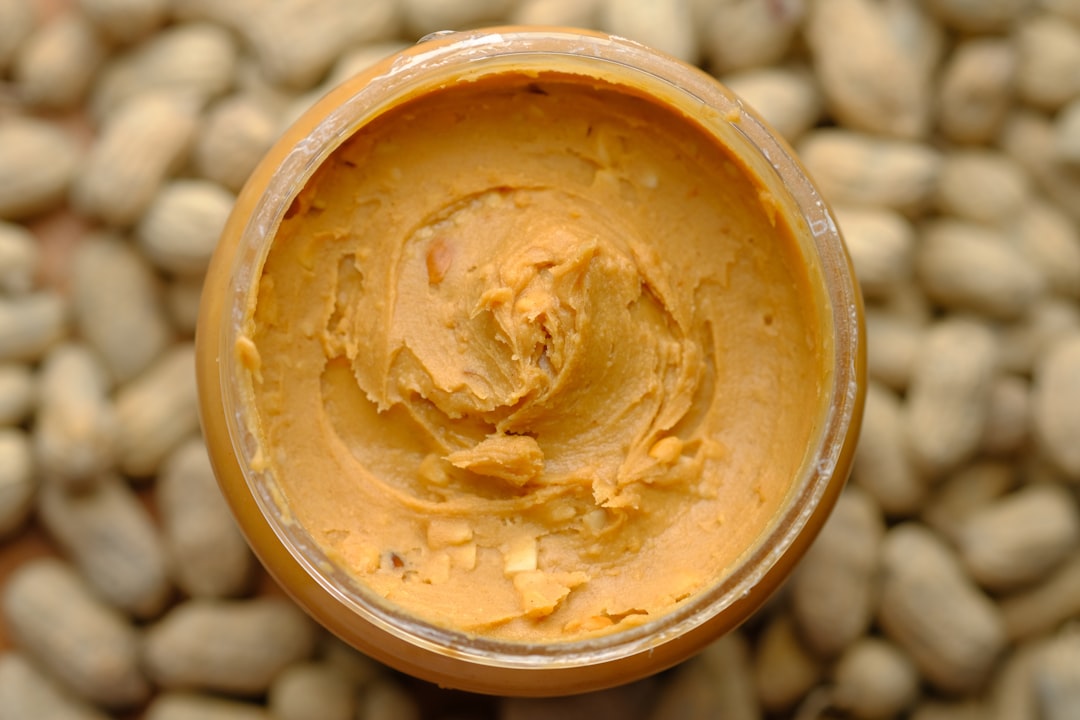
- Start small and build: a quarter teaspoon of thinned smooth peanut butter or well-cooked egg, increasing over subsequent servings.
- Keep it regular: once tolerated, serve the allergen roughly twice a week to maintain tolerance.
- Serve it safely: thin-spread smooth nut butter (never dollops or whole nuts), well-cooked egg, flaked boneless fish.
What a reaction looks like
Mild: hives, redness around the mouth, vomiting shortly after eating. Severe (call emergency services): swelling of lips or tongue, difficulty breathing, floppiness or pallor. Mild contact rashes around the mouth are common and usually not allergy — but photograph anything you're unsure about and ask your GP or pediatrician.
Track it all in BabyEats
BabyEats' allergen introduction planner sequences egg, dairy, peanut and the rest into your weekly meals, reminds you when it's time for the next exposure, and logs what's been tried and tolerated — turning the most anxiety-inducing part of weaning into a checklist.